

The Abridged version:
- Families of athletes find various ways to cover the costs of sports, which can amount to hundreds, and sometimes thousands, of dollars during a season.
- Boosters play a huge role in helping school athletic programs. For example, McClatchy High School’s booster program raised $271,666 in the last fiscal year.
- It can be hard in smaller communities to fundraise without drawing from the same pool of community members.
Leslee Delgado’s daughter is a cheerleader at C.K. McClatchy High School in Sacramento, where she said the price tag for her daughter’s uniform can exceed $900 — and that’s just the beginning.
Families also often pay for practice clothes, cheer camp, supplies and travel. Delgado said this year, competition fees and travel costs for the 12 members of the competition team — including a trip to the national championship in Anaheim — will likely be more than $20,000 collectively. That’s why she helps put together fundraisers such as online campaigns, cookie dough sales and car washes.
“Fundraisers are great, but in most cases, the team and their families rely on the same network each time and it can be overwhelming,” Delgado said.
She can recall a few times when cheerleaders’ families could not afford uniforms, camp or travel. In those cases, she said, the coach either used money raised by the team or even personally covered their expenses.
Hers is just one example of what many families of athletes are facing at public high schools across the Sacramento region. While school sports may be free to join, they’re not always free to play.
Sign Up for the Morning Newsletter
The Abridged morning newsletter lands in your inbox every weekday morning with the latest news from the Sacramento region.
Most sports rely on fundraisers to cover costs
At McClatchy, an athletics-only booster organization called Restore the Roar supports 24 athletic teams and spirit squads.
The nonprofit raised $271,666 during the 2025–26 school year and spent $269,613, according to preliminary financial figures provided by the organization. Of that spending, $253,545 went directly toward teams, including cheerleading. The single biggest cost was team uniforms, totaling $73,119. Other expenditures include travel, tournament fees and paying for officials.
Individual sports and cheer teams still organize their own fundraisers, while Restore the Roar maintains separate accounts for those funds and offers financial and administrative support where needed. Team fundraising generated about $167,000, which is a little more than 60% of the organization’s total revenue. Roughly three-quarters of that amount came from online fundraising campaigns.
At Del Oro High School in Loomis, Athletic Director John Hilton said just about every sport relies on fundraising to cover expenses that school and district budgets don’t fully support.
“Every sport, every season is doing some type of fundraiser, because they need to be able to get basic equipment,” Hilton said.
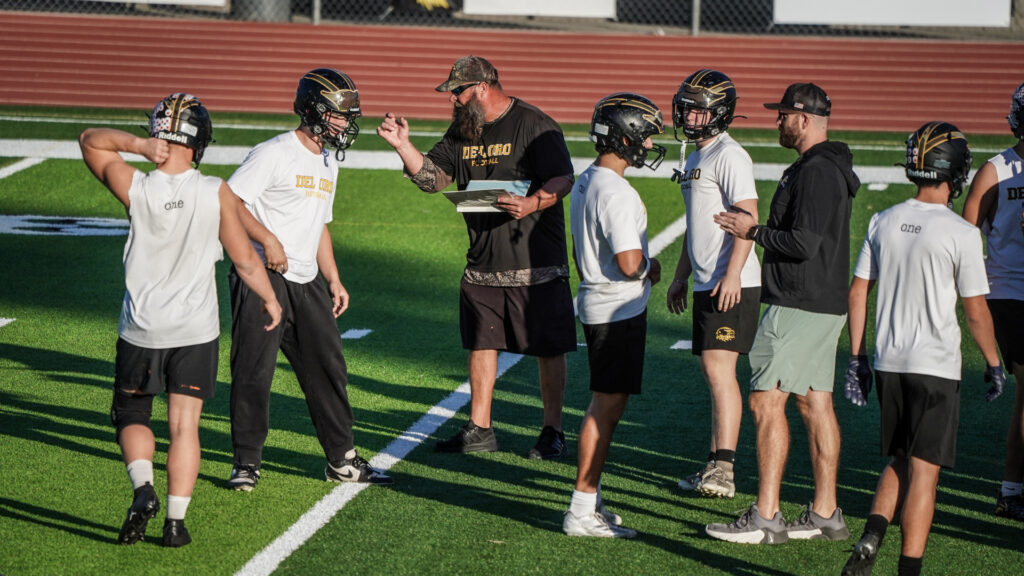
Del Oro has an enrollment of about 1,540 students and reported nearly 1,200 athletic participants across its programs. (Students who play multiple sports are counted more than once.)
Del Oro’s District, Placer Union High, pays for many head-coaching stipends and certain other expenses, while the school uses athletic revenue to help cover officiating and additional coaching costs. Individual teams fundraise for equipment, uniforms, transportation and other needs. One significant expense is getting athletes to competitions not hosted at home.
Hilton describes Placer Union as a “meet you there” district, meaning school-provided transportation generally isn’t available for away games. Families and volunteer drivers often provide rides, and teams can try to raise enough money to pay for buses themselves if they want.
Hilton said he has not known a student or team to miss an event because of lack of transportation. Still, coordinating rides requires considerable family and volunteer time and support.
He said when he was younger schools provided buses and basic athletic equipment. Today, he wishes public funding could cover more of those essentials.
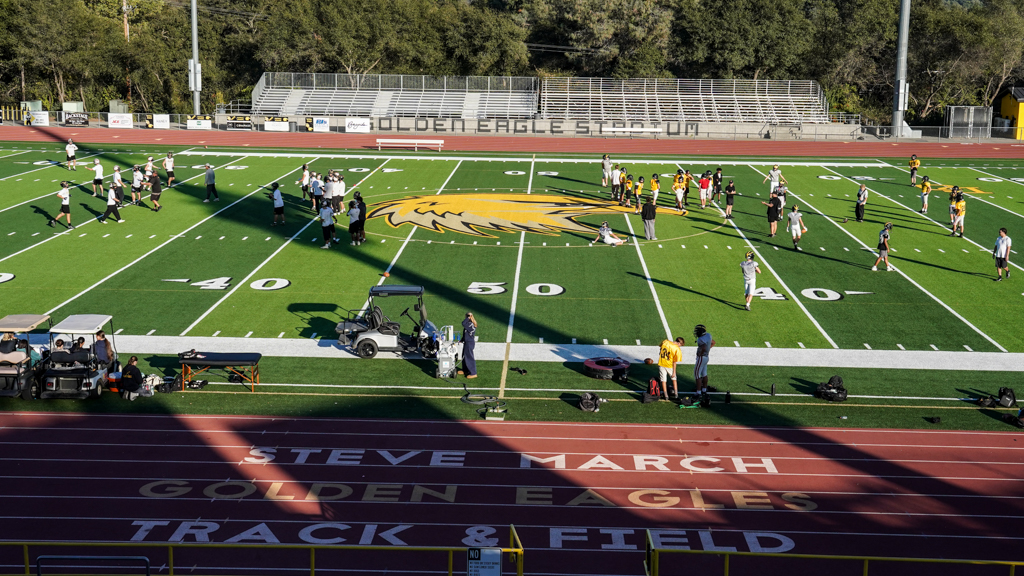
Fundraising often pays for equipment, uniforms, transportation
At West Park High School in Roseville, booster fundraising is also a major part of the athletic program, which boasts about 1,100 participants across 59 teams. Athletic Director John Hildebrand said the school’s general booster organization oversees fundraising and expenditures for more than 25 sports sub-groups. Together, he said those groups raise and spend somewhere in the ballpark of $900,000 each year.
West Park also receives substantial financial support from Roseville Joint Union High School District. According to Hildebrand, that includes about $225,000 in coaching stipends, $25,000 in general athletic funding, a full-time athletic trainer, and district support for facilities, utilities, maintenance and groundskeeping.
The school also generates about $175,000 annually through ticket sales to sporting events, although that figure varies depending on attendance. Even with those resources, booster fundraising plays a major role in what West Park offers.
The money supports expenses beyond what Hildebrand described as the district-funded “core program experience,” including additional coaching staff, uniforms, travel, tournaments, camps and meals.
“We are fortunate here to have very little, if any, needs not being met,” Hildebrand said. “If parent fundraising declined, we would have to narrow the scope of what we could offer.”
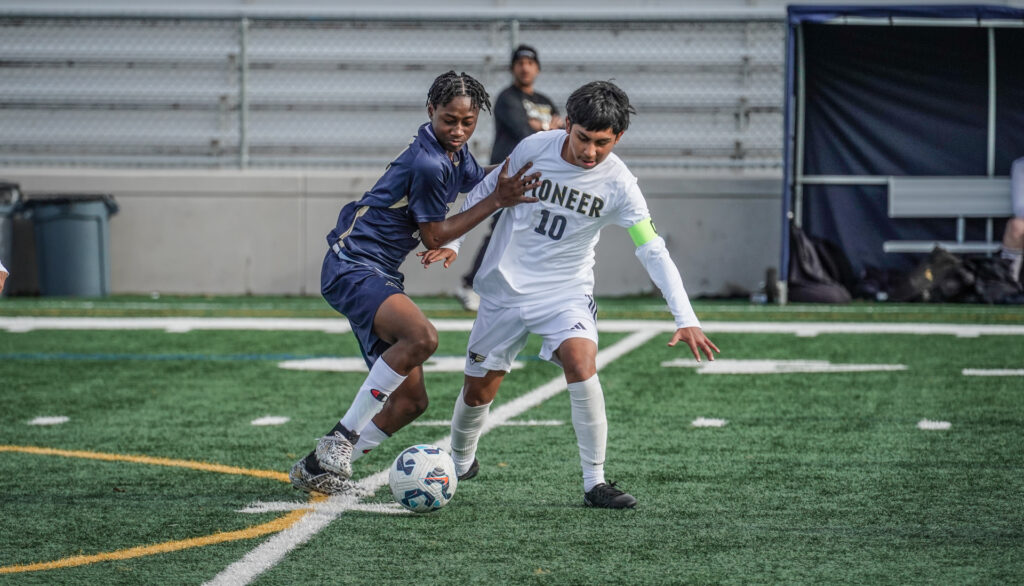
Hildebrand said West Park does not charge participation fees, and although teams often ask for donations or fundraising help, players get the same opportunities regardless of how much their family can contribute.
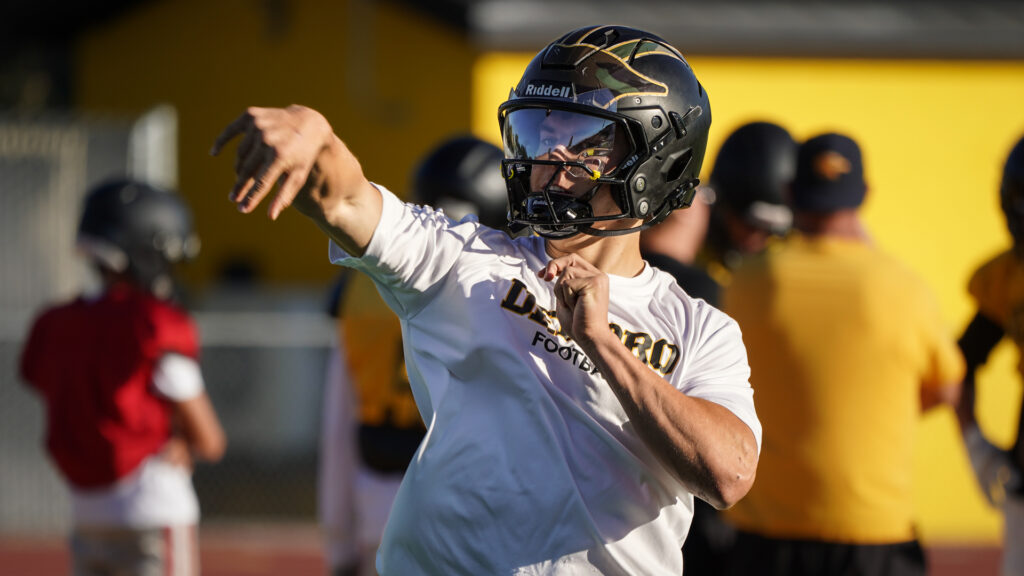
John Swedensky sees the fundraising challenge from another perspective. A Del Oro community volunteer who serves as operations director for the boys’ basketball program, Swedensky helps develop fundraising ideas and supports several other sports through announcing, live scoring and social media.
The boys’ basketball booster club is in its first season of operation. Swedensky hopes it will eventually allow the program to build financial reserves and support improvements over multiple years. He said fundraising helps pay for travel, equipment and facility improvements that might otherwise be out of reach.
“Del Oro is a small community where sports are very important to the school and its students (and) families. Many play multiple sports, and there is a saturation of the same circles of businesses and families asked to donate,” Swedensky said. “It can be difficult.”
Not the same access to fundraising networks
Dena Lemus, a McClatchy dance parent and former swim parent, believes the costs of uniforms, equipment, travel, clinics and competitions can discourage some students from participating.
“The financial costs associated with some sports can keep talented students from participating in those school sports,” she said.
Lemus said those costs haven’t prevented her own daughter from participating, but she believes financial support across athletics is important to ensure opportunities remain accessible for all students.
Hilton said schools with strong parent and community support may be able to provide opportunities that other schools cannot. At Del Oro, he sees that support as a strength. But he also recognizes that not every school has access to the same fundraising networks.
At McClatchy, Del Oro and West Park, fundraising and volunteer support help fill gaps between what school districts provide and what athletic programs need or want to offer. For Delgado, that means organizing another fundraiser, approaching another potential donor and helping her daughter’s team cover expenses that not every family can afford.
“Not all families have the same level of support or means to pay for their children to participate in sports,” Delgado said. “It’s a tough spot to be in.”